Google
 

10 maggio 2007

DEUTSCHES MISERERE


This poetry by Bertolt Brecht is missing from the Net. Tells about war, and it's worth reading [in German, English and Italian].

Eines schönen Tages befahlen uns unsere Obern
Die kleine Stadt Danzig für sie zu erobern.
Wir sind mit Tanks und Bombern in Polen eingebrochen
Wir eroberten es in drei Wochen.
Gott bewahr uns.

Eines schönen Tages befahlen uns unsere Obern
Norwegen und Frankreich für sie zu erobern
Wir sind in Norwegen und Frankreich eingebrochen
Wir haben alles erobert im zweiten Jahr in fünf Wochen.
Gott bewahr uns.

Eines schönen Tages befahlen uns unsere Obern
Serbien, Griechenland und Russland für sie zu erobern
Wir sind in Serbien, Griechenland und Russland eingefahren
Und kämpfen jetzt um unser nacktes Leben seit zwei langen Jahren.
Gott bewahr uns.

Eines schönen Tages befehlen uns noch unsere Obern
Den Boden der Tiefsee und die Gebirge des Mondes zu erobern
Und es ist schwer schon hier in diesem Russland
Und der Feind stark und der Winter kalt und der Heimweg unbekannt.
Gott bewahr uns und führ uns wieder nach Haus.

[english]
A beautiful day our leaders commanded us
To conquer for their sake the little city of Danzig
We broke in Poland with Tanks and Bombers
We conquer it in three week.
May God save us.

A beautiful day our leaders commanded us
To conquer for their sake Norway and French
We broke in Norway and Franch
We conquer them during the second year in five week.
May God save us.

A beautiful day our leaders commanded us
To conquer for their sake Serbia, Greece and Russia
We did go in Serbia, Greece and Russia
And now we battle for our bare lives since two long years.
May God save us.

A beautiful day our leaders will command us
To conquer the bottom of the oceans and the mountains of the Moon
And it's hard yet here in this Russia
And the enemy strong and the winter cold and the way to home unknown.
May God save us and lead us to home.

[italiano]
Un bel giorno i nostri comandanti ci imposero
Di conquistare per loro la piccola città di Danzica.
Noi facemmo irruzione in Polonia con carriarmati e bombardieri
La conquistammo in tre settimane.
Dio ce ne scampi.

Un bel giorno i nostri comandanti ci imposero
Di conquistare per loro Norvegia e Francia.
Facemmo irruzione in Norvegia e in Francia
Le conquistammo tutte durante il secondo anno in cinque settimane.
Dio ce ne scampi.

Un bel giorno i nostri comandanti ci imposero
Di conquistare per loro Serbia, Grecia e Russia
Noi andammo in Serbia, in Grecia ed in Russia
Ed ora combattiamo per la nostra nuda vita da due lunghi anni.
Dio ce ne scampi.

Un bel giorno i nostri comandanti ci imporranno
Di conquistare il fondo degli oceani e i monti della Luna
Ed è già duro qui in questa Russia
E il nemico implacabile e l'inverno gelido e non sapere la strada per tornare a casa.
Dio ce ne scampi e ci riporti a casa.

Powered by ScribeFire.

25 aprile 2007

Scott McCloud online free comic


You will find at the following link a comic book by Scott McCloud (the author of Understanding Comics), readable through a very fancy Flash application.


The title is "The Right Number", and is free (found via BoingBoing).


The Right Number


Powered by ScribeFire.

23 aprile 2007

Firmate la petizione

Questo messaggio è per tutti i cittadini europei: firmate la petizione per introdurre tre emendamenti ad IPRED2, una proposta di legge fatta a livello comunitario per criminalizzare tutte le violazioni di copyright e tutte le contraffazioni che verrà votata mercoledì 25 Aprile 2007.


I tre emendamenti hanno lo scopo di:

  • LIMITARE il campo di applicazione di IPRED2 alle imprese criminose, che prevedono pirateria e violazione di marchi registrati su scala commerciale, con dolo e a scopo di lucro, anziché criminalizzare tutte le violazioni di proprietà intellettuale come prevederebbe l'attuale direttiva.
  • EVITARE di creare uno stato di criminalizzabilità (senza precedenti) per gli organismi intermediari su Internet, provider, fornitori di software ivi compresa una serie di attività legittime, togliendo le parole "aiutando o assistendo e incitando" [aiding or abetting and inciting] dall'articolo 3.
  • FORNIRE DELLE CERTEZZE LEGALI adottando precise ed appropriate definizioni di "su scala commerciale" e "violazione intenzionale" nell'articolo 2, in modo che si intenda con questo le attività commerciali fatte a fine di ottenere lucro che si possa direttamente attribuire all'attività di violazione.


Fondamentalmente avete quattro possibilità:

1) Firmare a "scatola chiusa"

2) Informarvi qui e qui, poi firmare

3) Informarvi e poi decidere di non firmare

4) Sbattervene le palle e non firmare


Preferirei se sceglieste la 2), in mancanza di tempo la 1), se scegliete la 3) fatemi sapere nei commenti perché non avete firmato, e se scegliete la 4) siete delle bestie, e non so proprio che cosa vi spinga a leggere questo blog.


Firma qui


Powered by ScribeFire.

21 aprile 2007

Flat Daddies


Coming back from Guy's Blog, I bring this unbelievable thing: Flat Daddies are full-size printed posters of parents who are serving overseas in the military (cited from their website). Really. They use a padded full-size print of the Dad instead of the real one: dining, traveling, sleeping.


Don't laugh. At first I found it ridiculous, then I remembered Vonnegut's words: "...that no one is bad, disgusting, or ridiculous".

And, really, there's nothing to laughing about.


Here you will find an article of a Flat Daddy tester. Her experience is not so bright, but for many other should be quite a relief, based on the success of the idea.

I encourage you to read the original. Let me know in the comment if you would like to read the linked article translated in Italian.


Flat Daddies | free life-size posters of your hero


Powered by ScribeFire.

16 aprile 2007

Modern Mechanix


The picture above shows a device that traps who (unfortunately) rings the fire alarm. Sure it will reduce the alarm pranksters, expecially because only a policeman or a fireman can free the (barbequed) hand.


I just want you to notice Modern Mechanics, a site full of "wonders" from the past.


Modern Mechanix » Fire Box Traps Pranksters


Powered by ScribeFire.

Optical illusion

I am an avid reader of pointless and unuseful things. In this group fall definitely optical illusions. I like them very much, and I wonder how after almost two (pointless) years of blogging I never linked one.


So, look below at the magic picture, and look again when you are at least 8 steps away from your monitor (I tried as far as three meters and it worked flawlessly).

The two faces seem to swap themselves. In the comments of the link you will find an explanation.


Blogger Whale||freestyle blogging: Don't trust your eyes!


Powered by ScribeFire.

14 aprile 2007

Kurt is up in heaven now.

Kurt Vonnegut (american despite the german name) is dead, and this may be a good day to begin reading his books.

I recently read Slaughterhouse 5 (in Italian: "Mattatoio n° 5"). I learnt a new way to think about war. I learnt a new way to think about death.


Farewell, Kurt.


Kurt Vonnegut - Wikipedia, the free encyclopedia


Powered by ScribeFire.

05 aprile 2007

A personality test (sorry, Mac only)


Mac OS X 10.4, codename Tiger (I know the ladies love it), comes equipped with two games: Marble Blast Gold and Nanosaur II: Hatchling.


The first is one of the most addictive and brain-tickling videogames I ever played; stages are usually short as two minutes, nevertheless you will spend hours (days?) with the little rolling marble. The learning curve is simply right, not too hard nor boring, and the Gold Time limit is challenging even for hardcore gamers. In a word, a Masterpiece.


The second isn't the worst videogames I ever played, but sure is in the bottom 3. I need to rephrase it: it would be one of the worst 3 games I ever played. Nanosaur II isn't a game: is a personality test. Do you know someone who spent more than 10 minutes (globally) on it? Well, maybe you should seeing him/her less. Is boring, is useless, and is a misuse of graphical effects (which are indeed very good). A little too graphical to seem a personality test, but well, today the style is overcoming the substance.


Your daughter wants to date a Mac owner: ask him how much time does he spend on Nanosaur II, and if is more than 10 minutes (in all his life), be warned: something is wrong in him:

i. His QI

ii. He cannot tell videogames and personality tests apart

iii. He parks like an a*****e

iv. All of the above.


/sarcasm


Pangea Software: Nanosaur 2 Home Page


Powered by ScribeFire.

02 aprile 2007

Music score search engine collection

In my website you can find a collection of *free* music sheet sites. IMHO there are basically two type of scores: one, easy to find and cheap (so cheap that often is less expensive than xeroxing, i.e. Dover or Könemann), the other, hard to find and as expensive as white truffle (i.e. Salabert and other french edition).


Well, if you are searching for a score of the first type, is very likely you will find it using one of the suggested links (YMMV).

Please, write me to suggest free scores sites that I didn't mention.


In another post I will describe my experience buying music sheet online.


biavati.net


Powered by ScribeFire.

20 marzo 2007

Linux Advert


Don't miss the Ali's tagline at the end. (links in the italian translation).

"Speak your mind. Don't back down."

Transcript of IBM ad:

Open on young boy sitting in chair, camera pans overhead.
Male Voice: I think you should see this.
Female Voice: It's just a kid.
Rock Guy: This is a G cord. (Strums his guitar)
Male Voice: He's learning. Absorbing. He's getting smarter every day.
Anthropologist: Homo habilis was the first to use tools.
Coach Wooden: A player who makes a team great is more valuable than a great player. Losing yourself in the group, for the good of the group, that's teamwork.
Male Voice: It's happening fast.
Astrologer: We've always watched the stars. If you look at the sky, you can see the beginning of time.
Cut to soccer player bouncing ball on knee in front of boy.
Mr. Gates: Collecting data is only the first step toward wisdom. But sharing data is the first step toward community.
Poet: Poetry. There's not much glory in poetry, only achievement.
Voice: Knowledge amplification. What he learns, we all learn. What he knows, we all benefit from.
Ms. Nasar: One little thing can solve an incredibly complex problem.
Ms. Marshall: Everything's about timing kid.
Businessman: This is business. Faster. Better. Cheaper. Constant improvement.
Pilot: So, you wanna fly, huh? Wind speed, thrust, it's physics.
Latin Teacher: Res publica non dominetur.
Plumber: Plumbing, it's all about the tools.
Ali: Speak your mind. Don't back down.
Female Voice: Does he have a name?
Male Voice: His name is Linux.

Sceneggiatura della pubblicità IBM per Linux:

Apre su un ragazzo seduto su una sedia, la telecamera allarga sopra la sua testa.
Voce maschile: penso che dovresti vederlo.
Voce femminile: è solo un ragazzo.
Rocker: Questo è un Sol maggiore. (Esegue l'accordo sulla chitarra)
Voce maschile: sta imparando. Assorbendo. Diventa ogni giorno più intelligente.
Antropologo: l'Homo Habilis fu il primo ad usare utensili.
Allenatore John R. Wooden: un giocatore che rende grande una squadra val di più di un grande giocatore. Perdersi nel gruppo, per il bene del gruppo, questo è gioco di squadra.
Voce maschile: sta succedendo in fretta.
Astronomo: Abbiamo sempre guardato le stelle. Se guardi il cielo, puoi vedere l'inizio del tempo.
Inquadratura di un calciatore che fa rimbalzare la palla sulle ginocchia davanti al ragazzo.
Prof. Gates: raccogliere dati è solo il primo passo verso la saggezza. Ma condividere i dati è il primo passo verso la comunità.
Poeta: la poesia. Non c'è molta gloria nella poesia, solo il risultato.
Voce: amplificazione della conoscenza. Quello che impara, lo impariamo tutti. Di quello che sa, tutti quanti ne traiamo beneficio.
Sylvia Nasar: una piccola cosa può risolvere un problema incredibilmente complesso.
Penny Marshall: è tutta una questione di tempismo, giovane.
Uomo d'affari: Questo è il business. Più in fretta. Meglio. A minor costo. Miglioramento costante.
Pilota: e quindi vuoi volare, eh? Velocità del vento, spinta, è fisica.
Insegnante di Latino: Res Publica non dominetur (la cosa pubblica non sarà dominata da nessuno...)
Idraulico: le tubature, è tutta una questione di attrezzi.
Ali: dì la tua. Non tirarti indietro.
Voce femminile: come si chiama?
Voce maschile: il suo nome è Linux.


powered by performancing firefox

13 marzo 2007

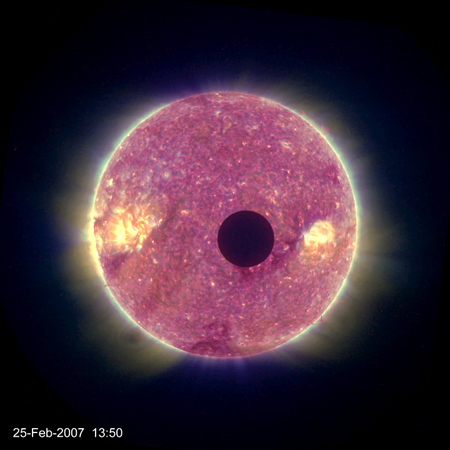
Breathtaking eclipse


Yes, the big one is the Sun, and the small black spot is the moon. You make me feel, by weight:

  • Oxygen 65%
  • Carbon 18%
  • Hydrogen 10%
  • Nitrogen 3%
  • Calcium 1.5%
  • Phosphorous 1.0%
  • Potassium 0.35%
  • Sulfur 0.25%
  • Sodium 0.15%
  • Chlorine 0.15%
  • Magnesium 0.05%
  • Iron 0.0004%
  • Iodine 0.00004%
Boing Boing: Solar eclipse viewed from spacecraft


powered by performancing firefox

How many elements should have a list?

5 is good, 10 is better, 15 is bad, 20 is worst.


I don't want to read "52 ways to improve your piano playing" because if I spend the same time practicing my piano playing will improve far more than reading a lousy list ever could. I'd prefer read "5 ways to improve your piano playing", despite the semplicity. I don't want to read "52 ways to reduce stress", because your list (longer than Deuteronomy) is stressful.


You can't separate the top 5 arguments about a theme? Obviously you don't know enough about that specific argument. A Lifehacker post tells about 77 Ways to Learn Faster, Deeper and Better: the author should choose the top 5 or the top 10, I will read it, and then I will decide if is worth reading the remaining 70.


Lists are the mainstream for blog posts: Guy Kawasaki advice you to use them to hook your audience. He is one of the best list-maker: often he puts 12 question in a "10 questions with..." interview, knowing that if you have the guts to reach the tenth question, you wouldn't mind to read two more.


"Perhaps the best test of a man's intelligence is his capacity for making a summary".


powered by performancing firefox

05 marzo 2007

Verify your source, please.

Internet is becoming every passing day more similar to TV: everyone yells the last breaking news without verify the source.


Last case: Vista brute-force cracking tool. Almost every tech site gave the news and almost every site retreated their declarations after two-three days.

Please, verify your sources: if you are an editor of a tech site, then you have a Vista Iso, and you can download the tool (don't ask me how, or I will steal your job) and try it by yourself. You have a chance to write a far better article if you find out it isn't working. At least you could write a nice howto.


But please: verify your source.


Vista hack is about as useful as a useless thing


powered by performancing firefox

24 febbraio 2007

Iron(ing) man


Is nice sometime engage in activities unpracticed for years: it's similar to meet a distant friend. Yesterday I performed a Strawinsky Mass which I haven't sung since 1991. Today I have done some ironing (roughly 30 years since last time).


After 2 minutes: I wish my housemaid was here.

After 4 minutes: housemaid? Maybe I should refer her as my "Domestic Advisor".

After 6 minutes: in a shirt, just the front, neck and wrists are important.

After 8 minutes: in a shirt, just the front, neck and wrists are important.

After 10 minutes: in a shirt, just the front, neck and wrists are is important.


...f****ing shirt.


Beware cotton stretch: wonderful to wear, horrible to iron.


The Genuine Man.com - Ironing a Shirt


powered by performancing firefox

14 febbraio 2007

Why you should be learning German language.


German is an agglutinative language. For example, Perlentränentröpfchen means "teardrops like pearls" (english also is somewhat an agglutinative language indeed). Torschlusspanik is "panic caused by closing doors"; used mainly to describe the situation of a childless aging woman searching for an heir, could be applied to everyone who feels like losing opportunities year after year.


No surprise German generated so much poetry.


Agglutinative language - Wikipedia, the free encyclopedia


powered by performancing firefox

12 febbraio 2007

Why you should buy a Nikon camera.


Twenty days ago, my Nikon Coolpix S3 was ill. The sturdy camera survived several falls and lived through the less-then-respectful-for-technology hand of my wife. Suddenly (and unrelated to what happened in its brief live) didn't read or write SD card anymore. Nada. Nothing. Kaputt. I tried reading some useless newsgroup in which the most intelligent post was "Do you have formatted your card?".

Yes, thanks, I formatted it using the camera (unbelievebly formatting worked, but no read/write again), using a card reader from my Mac, from my PC. With the first snapshot, it tried to write down to card, but not to avail.

Fortunately, a kindly photo store in the city I live (see image) took my camera and gave it me back (repaired!) after just 2 weeks, without charge, althought I wasn't able to show my buying proof. I suspect Nikon have a free repair policy for all products within two years of life (according to EU warranty laws), at least in Europe. This is why my next camera will be a Nikon.

Nikon Global Gateway

powered by performancing firefox

Recipes

Yesterday I tried successfully the linked recipe by Mr. Grasshopper (italian): baked tuna is wonderful, even if a little difficult for my stomach to process. A chardonnay from Calabria helped me to keep untouched my rep.


But the point is: why I have a preference for bloggers recipes? The answer is easy: in case of failure, I have someone to blame (literally: send someone to wanking - mandarlo a fare le pugnette).


Good work, Mr. G.


Mr.Grasshopper: Tonno al forno con patate


powered by performancing firefox

07 febbraio 2007

So it goes

Wenn ich einmal soll scheiden,

so scheide nicht von mir;

wenn ich den Tod soll leiden,

so tritt du dann herfür;

wenn mir am allerbängsten

wird um das Herze sein,

so reiß mich aus den Ängsten

kraft deiner Angst und Pein.


Wenn ich einmal soll scheiden


powered by performancing firefox

30 gennaio 2007

New comment policy

Following the never boring suggestions of Guy, I decided to change the comment policy for this blog. No more moderation (yes, that means what you write will be added immediately to the site - althought I retain some deleting permissions). And again, no CAPTCHA, no hassles, nothing.

Seguendo i consigli mai scontati di Guy, ho deciso di cambiare le regole per inserire commenti su questo blog. I commenti non verranno più moderati (sì, vuol dire che quello che scrivete finisce direttamente online - anche se ho ancora la facoltà di cancellare). In più, niente CAPTCHA, niente scocciature, niente di niente.

25 gennaio 2007

Mi secca dovermene andare

Dal blog di Don:


In questi giorni, anche se cerco di rimandare tutte le decisioni all'ultimo, devo ammettere che mi scoccia fare un po' tutto. Per esempio, scrivere mi scoccia, perché devo stare attento ad essere leggibile, anche nei riguardi di me stesso. Sono ormai abbastanza sicuro di avere avuto un ictus (la diagnosi medica finale è ancora in sospeso); uno piccolo, suppongo, dato che guido ancora poche settimane dopo il mio 93esimo compleanno. A quest'età, devo ammettere che ci provo gusto nel vedere lo stupore della gente quando dico quanti anni ho. Ma sotto tutto c'è la consapevolezza che sono il maschio che ha vissuto più a lungo di entrambi i rami della mia famiglia, materno e paterno, e che me ne dovrò andare abbastanza presto. Semplicemente non mi piace l'idea.


Ho galleggiato sul classico "Stato lì, fatto questo" per un po' di tempo, ma la nozione che si avvicina il momento in cui non potrò più dirlo mi secca. La verità è che non me ne voglio andare.


Ci sono molte ragioni. Per un sacco di tempo mi sono comportato come se potessi posporre tutto indefinitamente, e così ho un mucchio di cose che devo fare subito. Non voglio che i miei successori scoprano quante cose avrei potuto fare e non ho fatto, almeno per un bel po'. Ci sono tante note e lettere che devo scrivere. Ci sono posti che avrei voluto visitare, ma non ne ho mai avuto l'occasione. In realtà, ciascuno di voi potrebbe, se pensasse per un attimo di avere la mia età, stilare la lista. Almeno potrebbe provare a capire perché dico che odio andarmene.


Don To Earth: It Bothers Me That I Have To Go


powered by performancing firefox

21 gennaio 2007

Tenebrae factae sunt

One of the composers I admire at most is Tomas Luis de Victoria. His responsoria are masterpieces. I had to do it: I hope your ears will forgive me.


Download Tenebrae Factae Sunt

Tenebrae factae sunt (Tenebrae responsory No. 8) (Tomás Luis de Victoria) - ChoralWiki

20 gennaio 2007

In Italy is not illegal download and store copyrighted material?

The Italian Supreme Court of Cassation stated it's not illegal downloading copyrighted files, if you don't use them for money. Two Turin students won the trial: is not wrong "spare" on the films' tag price, even if police found copy protection removing software on their computers.

Update: this sentence refers to facts happened before the "decreto Urbani", which introduces the concept of profit (better, the loss of) in copyright issues. And in case you're wondering: yes, file sharing and downloading in Italy is still illegal.

Cassazione: lecito scaricare file protetti basta non usarli a scopo di lucro - cronaca - Repubblica.it


powered by performancing firefox

Quotes from Wonderful Graffiti

Quotes from Wonderful Graffiti


If everything seems under control, you're just not going fast enough. –Mario Andretti

Se tutto sembra sotto controllo, semplicemente non stai andando abbastanza forte.


Take pride in how far you've come. Have faith in how far you can go.

Sii orgoglioso di quanta strada hai fatto. Abbi fede in quanta ne farai.


One cannot think well, love well, sleep well, if one has not dined well. –Virginia Woolf

Non si può pensare bene, amare bene, dormire bene, se non si mangia bene.


Approach love and cooking with equal abandon. –The Dalai Lama

Ama e cucina col medesimo abbandono.


You're stronger than you seem; Braver than you believe; And smarter than you think you are. (A.A. Milne)

Sei più forte di quanto sembra; più coraggioso di quanto credi; e più furbo di quanto pensi. (E sì, è l'autore di Winnie the Pooh)


powered by performancing firefox

15 gennaio 2007

Surveillance Cams

Italiano: leggete (o guardatevi) V for Vendetta, poi leggete l'articolo di Punto Informatico del link sottostante.


English: read V for Vendetta, then read below:


Someone is opposing to city cams!

Incredible: successful in UK and in Italy, but their diffusion in the States may be more difficult. Because someone do protest and speaks about crushed rights. Exaggeration from the usual four hot heads. (The beginning is cleary ironic: PI is against every form of censorship).


Roma - New Orleans is one of the cities in the States with the higher number of cam installation across the streets, mainly managed by police. And several other cities have some webcam. But the surveillance cam initiative, a long time established fact in UK and in Italy, clashes with a growing opposition.


As such may be incredible - since surveillance cam diffusion usually is very popular - Electronic Frontier Foundation and ACLU decided to battle against the surveillance across some San Francisco blocks.


Both associations, two of the most important civil rights' defense associations in the States, oppose to a project, as stated by San Francisco Chronicle, which is based on installation of 25 new surveillance cams in the residential blocks of the city, during the next 18 months. Every one of those cams will cost something between $ 4000 and 7000, and in the major's opinion, cams will be a deterrent against crime and against drug dealers. Meanwhile, they will provide and important monitoring service to increase people security.


EFF, ACLU, and National Lawyers Guild are trying to build up protests from citizens against the installations. The net grapevine gives some hope: Indymedia San Francisco publish a petition to gather people for the next wednesday meeting with the city authorities, and explains clearly why this kind of surveillance cams are dangerous:


"Video surveillance poses a significant threat to privacy and free speech by allowing the government to track what you are doing and where you are going. Surveillance cameras also impact free speech by chilling protected political and religious expression. The prospect of government surveillance may deter individuals expressing unpopular views from attending demonstrations and speaking out on controversial issues."


Back in 2003, the former italian authority for the privacy, Stefano Rodotà, affirmed with the usual precision: "This unstoppable publication of private spaces, this perennial exposition to unknown and undesidered eyes, actually change individual and social behavior. To be aware of the control causes people to behave less spontaneously and reduces freedom."


"Shrinking control-free spaces one may be forced to remain at home, defending ferociously this last private space, even if more and more unprotected from surveillance techniques more efficient every day. But if liberty and spontaneity will be coherced in our private spaces, we will consider far and hostile everything exists in the outer world. This may be father to new conflicts, and therefore a radically and permanent insecurity, which in facts destroys the stronger argument in favor of surveillance, whose primary end is to produce security".


PI: Qualcuno si oppone alle cam in città!


powered by performancing firefox

13 gennaio 2007

HD DVD vs. Blu Ray

The truceless war between HD DVD and Blu Ray has a new element to think about.


Adult film industry embracing HD DVD


powered by performancing firefox

Very bad song

This evening I was outside for shopping. Radio was broadcasting "Angelica", a song by an italian group, "Le Vibrazioni".

Simply: "Angelica" is awful. It isn't "not very good", is quite horrible. Senseless words, disturbing music: a nightmare.


Questa sera ero fuori per acquisti. La radio trasmetteva "Angelica", una canzone di un gruppo italiano, "Le Vibrazioni".

Semplice: "Angelica" fa schifo. Non è solo "non un gran che", è proprio orribile. Parole senza senso, musica fastidiosa: un incubo.


powered by performancing firefox

Orfeo ed Euridice

"Orfeo ed Euridice" by Gluck (performance 1 of 10 in 5 different cities) was performed this evening in the Ravenna Theatre, "Dante Alighieri".

1% of inspiration and 99% perspiration allowed me to partecipate preparing this event. I will be in Pisa next february for the last two performances.


Going to the opera (and a fortiori performing) is emotionally moving. In this opera I enjoyed expecially the direction by Graham Vick. I am pretty sure that tomorrow the newspaper will praise the modern and stylish direction, the dancing chorus and the very dynamic scenes. People like sweat, and I can assure you this evening their craving was satisfied.


But IMHO, the cream is in the less dynamic scenes; let me tell some examples:


Act 1 (ending): Orpheus lost Eurydice for the first time. A mourning chorus left slowly the scene, when someone tries to take away the tumbled chair near Orpheus (we've seen dead Eurydice before laying in this chair). A distressed Orpheus grabs the chair, and the other left shaking his head in misery (thanks, Sergio: yes, it does works great).


Act 2 (hell): as stated by the director, the tableau brings life from the Sartre idea: "L'enfer est les autres". Hell is others.

a) An actress tries to put three chairs in a row, and another actress ruins the order every time the work of the first one is almost done. You feel the anxiety, and the sense of unfulfillment.

b) An actor reads the newspaper in a very rude manner on a sofa, while an actress pushes him not gently at all to swap tv channels with a remote.

c) An actress pretends to be sick, and another one pretends to take care of her. When the nurse tries to left the bed, the other suddenly catches her ("Misery").


Not enough hell? You deserve demons and forks.


The music is a masterpiece. The libretto is not so good, but in the 18th century was impossible to write a libretto without happy ending. Yes, Orpheus looks at Eurydice and lost her... forever? No, because Love settles everything, and they lived happily ever after.

I do prefer much more the sad version, in which Orpheus losts Eurydice forever.


Teatro di tradizione Dante Alighieri - GLI SPETTACOLI


powered by performancing firefox

03 gennaio 2007

EU video format petition

English: read the post from BoingBoing, then sign the petition.


Italiano: le assemblee del Consiglio dell'Unione Europea sono trasmesse su internet in streaming. Peccato che siano in formato proprietario (= soldi nostri che finiscono in tasca a Microsoft e/o alla Apple, nessuna delle quali è un'azienda europea...). Alternative ce ne sono, ma questi rispondono che non "possono" sostenere legalmente Linux, per cui Linux non è supportato. Le soluzioni open source sono compatibili anche con Windows e Mac. Perché non risparmiare accontentando tutti? C'è qualcuno che si mette in tasca i soldini di zio Bill o di zio Steve? O semplicemente è un modo gratuito e inopportuno di gestire le minoranze trasversali?


Firmate la petizione.


Petition Spot - Platform independent solution to watch "Streaming Service of the Council of the European Union."


powered by performancing firefox

01 gennaio 2007

Years and landings

Years are very similar to landings: every one you survive aren't quite so bad.

But I haven't liked very much the last year, so I am glad it isn't on my guts anymore.


Welcome 2007.


2006 - Wikipedia


powered by performancing firefox

How many batteries does it takes...

Stumbled upon the linked article via digg. You have to see to believe it. 6 x AAAA batteries = 1 x 9V.


Holiday is when you have too much time on your hands. Happy new year.


Triple "A" Battery Hack


powered by performancing firefox

25 dicembre 2006

Let's be less consequentialist.

They say at Christmas we have to be good. To be more precise, it would be enough if we were all more deontological, because not ever the ends justify the means.


Deontological ethics - Wikipedia, the free encyclopedia


powered by performancing firefox

23 dicembre 2006

Dude, pass that shit

From a Digg comment: when you feel yourself too inspired, or too self-insightful, try imagine your blogger next door posting a comment like "Dude, pass that shit."

For example, yesterday someone referenced Donald Crowdis (the oldest blogger) as a "surrogate grandpa". Reading Donald's blog is hard to believe he's almost 93 (tomorrow Dec 24 is his birthday). So I was almost to post on his blog: "Happy birthday, timeless friend."

But no one could have saved me afterwards from a "Dude, pass that shit" comment. I will post my best (and less naive) wishes to Don tomorrow.


P.S.: The title of the linked article contains an obvious typo ("lunch" instead of "launch"). If you are curious to see how soft is a large audience respect to a mere typo, read the comments. Most of them are very funny.


Da un commento su Digg: quando ti senti troppo ispirato o troppo auto-introspettivo, prova ad immaginare il tuo blogger accanto lasciare un commento come "Ehi tipo, passami il fumo."

Per esempio, ieri qualcuno si è riferito a Donald Crowdis (il blogger più vecchio) come un "surrogato di nonno". Leggendo il blog di Donald è difficile credere che ha quasi 93 anni (domani, 24 dicembre è il suo compleannno). Stavo quindi per scrivergli "Buon compleanno, amico senza tempo."

Ma nessuno avrebbe potuto salvarmi da un "Ehi tipo, passami il fumo." Manderò i miei migliori auguri (e meno naif) a Don domani.


P.S.: Il titolo dell'articolo referenziato contiene un ovvio refuso ("lunch" [pasto] al posto di "launch" [lancio]). Se siete curiosi di vedere come sia tenero il grande pubblico rispetto ad un semplice refuso, leggete i commenti. La maggior parte è molto divertente.


digg - Amazing photograph of Saturday's lunch of the space shuttle Discovery


powered by performancing firefox

You make me feel like Forrest Gump

One of the most moving scenes of "Forrest Gump" happens when Forrest eventually finds Jenny and his son, Forrest Jr.


Jenny (speaking of Forrest Jr.): Isn't he beautiful?

Forrest: He's the most beautiful thing I've ever seen. But... is, is he smart, or is he...

Jenny: He's very smart. He's one of the smartest in his class.


Not very different from the feeling you get when your children learn counting up to ten, or reading, or riding a bike.


Forrest Gump Script at IMSDb.


powered by performancing firefox

20 dicembre 2006

Scuola per genitori, parte 4

decio: il blog: School for parents, round #4


Ecco la traduzione italiana: meglio tardi che mai.


L'intimità nella coppia, Prof. R. Giommi


1) Intimità: l'intimità comincia durante l'infanzia e cresce sviluppandosi in un "cerchio magico": intimità con se stessi; intimità con gli altri, ai quali ci rapportiamo come doni, per dare a qualcuno il bimbo dentro di noi che nessuno ha mai capito. E' confidenza corporea, quindi contatto fisico. E' importante insegnare il rispetto per gli altri corpi: prima di toccare qualcun altro devo chiedere il permesso, anche se non direttamente ("posso toccarti?"), ma accorciando le distanze fisiche ed osservando le reazioni. E' importante che un bimbo non percepisca la distanza. Tenere un bambino a distanza significa renderlo malfidente.


2) Quando scegliamo un partner, spesso la parte principale non viene svolta a livello conscio. Un errore tipico che si commette è toccare l'altro nel modo in cui si vorrebbe essere toccati. Bisogna avere una gran pazienza (ed è sicuramente più facile se il tuo partner ti piace). Il gioco consiste nel fondere gusti differenti. Viene in aiuto il concetto di "Sindrome pedagogica" (ovvero: "Io ti cambierò"). Uccidere le passioni dell'altro non giova all'intimità.


3) La sessualità dovrebbe corrispondere ad aprire la stanza del piacere, non la stanza delle disgrazie. In quanto piacere, si può sottrarre il contributo della sessualità dal carico totale in un dato giorno; in caso contrario lo si dovrà sommare. Per vivere una buona sessualità aiuta pensare al partner prima dell'incontro. La sessualità ha due significati, (a) divertirsi e (b) coltivare la relazione. In questo punto l'insegnante suggerisce di disegnare un grafico a torta con i componenti della sessualità (bacio profondo, accoppiamento, ...) e confrontarlo con il grafico del partner.


Divertirsi, con emozioni. Anche un amore non corrisposto è una buona cosa, perché è comunque meglio che non amare nessuno.


Coltivare la relazione: imparare a gestire una relazione: qual è la cosa che ti piace più di tutte? Per favore, non bisogna avere cattivi pensieri riguardo alle domande. Se devo chiedere, è per il nostro piacere, non per dimostrare che non ti esprimi abbastanza bene. Se devi rispondere, è per il nostro piacere, non per denigrarmi per il solo fatto che non sono un indovino.


4) Ascoltare: imparare l'"ascolto neutro": con il quale posso davvero ascoltare il mio partner, anche dopo anni, devo ascoltare le parole che dice per capire cosa sta dicendo, lasciando da parte l'impressione sbagliata di conoscere il mio partner meglio di quanto lui/lei potranno mai fare. Durante la sessualità lo scenario più terrificante è sentirsi soli. Questi errori vanno corretti, o saremo destinati a trascinarceli da una generazione a quella successiva.


Questo è il fine ultimo di questa scuola: se diventi una persona migliore, i tuoi figli cresceranno meglio. Non parlare loro della tua sessualità (frustrata). Cresceranno pieni di paure.


Nota: questa è la prima lezione in cui chi spiega fornisce indicazioni sul comportamento da tenere con i figli.


Il prossimo aggiornamento della scuola per genitori al prossimo anno.


powered by performancing firefox

08 dicembre 2006

School for parents, round #4

Intimacy in couples, by Prof. R. Giommi


1) Intimacy: intimacy begins during childhood and grows as a "magic circle": intimacy with self; intimacy with others, we bring ourselves as a gift, to give someone the child within, who none ever understood. Bodily confidence, then physical contact. Is very important to teach respect for others bodies: before I could touch you, I have to ask for permission, even not in a straightforward way (i.e.: asking), but shortening the physical distance and observing the feedback. It is important that a child don't feel the distance. Keep physical distance with the children could keep them untrusty.


2) When we choose our partner, often the unconscious plays a preminent part. A typical error is touching the other the wame way we like to be touched. You have to keep patience (which is easier if you like your partner). The game is to melt different tastes. Comes helping the concept of "Pedagogic syndrome" (aka "I will change you"). Killing others passions is not good for intimacy.


3) Sexuality should be like opening the pleasure room, not the woes room. As pleasure, you can subtract the sexuality term from the amount of total pressure in a given day; otherwise you have to sum it. To live a good sexuality you have to think about your partner before the intercourse. Sexuality has two meanings, (a) have fun and (b) have relationships. Here the teacher suggests we draw a pie chart with the sexuality parts (french kiss, intercourse, ecc.) and confront it with the partners pie chart.


Have fun: from emotions. Even a one way love is a good thing, because is better than love no one.


Have relationships: learn to manage a relationship: what do you like at most? Please, don't feel bad about this question. I have to ask, for our pleasure, not to demonstrate you don't communicate sufficently well. You have to answer, for our pleasure, and you shold not blame me for not be a wizard.


4) Listen: learning the "neuter listening": in which I really listen for my partner, and even after years, I have to listen my partners words to understand what he is saying, putting apart the bad feeling about knowing our partner better he/she could ever knows him/herself. During sexuality the worst case is to feel alone. We have to correct our errors, otherwise they will travel from one generation to another.


This is the final meaning of this School: if you become a better person, your child will grow better.

Don't tell your children about your (frustrated) sexuality. They will grow fearsome.


Note: This is the first lesson in which the teacher gave indication about parents behavior.


Stay tuned for the italian translation.

brb next year.


powered by performancing firefox

30 novembre 2006

Il papà più forte del mondo.

Con la scusa di provare se funziona inserire un video di YouTube, ecco una storia che mi ha (davvero) commosso.

[Da Sports Illustrated, di Rick Reilly]

Cerco di essere un buon padre. Aiuto i miei ragazzi. Lavoro la notte per pagare i loro messaggini. Li porto a vedere gli spettacoli.

Ma in confronto a Dick Hoyt, faccio schifo.

Ha spinto ottantacinque volte suo figlio disabile per i 42.195 km della maratona. Otto volte non solo l'ha spinto per 42.195 km in sedia a rotelle, ma l'ha pure trainato per 3,8 km in una barchetta a nuoto e per 180 km in bici su un sedile ricavato sul manubrio--tutto nello stesso giorno.

Dick l'ha portato a sci di fondo, in spalla per arrampicare e una volta attraverso tutti gli USA in bici. Il che ridimensiona un po' il portare tuo figlio al Bowling, no?

E cosa ha fatto Rick per suo padre? Non molto--a parte salvargli la vita.
Questa storia inizia a Winchester, nel Massachusetts, 43 anni fa, quando Rick rimase soffocato dal cordone ombelicale durante il parto, lasciandogli un danno cerebrale e inabile a controllare gli arti.

"Sarà un vegetale per il resto della vita;" - racconta Dick - lo dissero i dottori a lui e a sua moglie Judy quando Rick aveva nove mesi. "Mettetelo in un istituto."

Ma gli Hoyt non ci stavano. Avevano notato che gli occhi di Rick li seguivano per la stanza. Quando Rick ebbe 11 anni lo portarono alla facoltà di Ingegneria alla Tufts University e chiesero se ci fosse qualcosa che permettesse al ragazzo di comunicare. "Non esiste", dice Dick che gli fu detto. "Non c'è niente che vada nel suo cervello."

"Gli racconti una barzelletta," ribatté Dick. Lo fece. Rick rise. Evidentemente c'erano un sacco di cose che 'andavano' nel suo cervello. Collegato ad un computer che gli permetteva di controllare un cursore toccando un interruttore con un lato della testa, Rick fu finalmente in grado di comunicare. Le prime parole? "Go Bruins!" [squadra di hockey di Boston, N.d.T.] E quando un suo compagno di classe rimase paralizzato per un incidente e la scuola organizzò una corsa per raccogliere fondi, Rick si lanciò: "Papà, la voglio fare."

Sì, certo. Come avrebbe fatto Dick, che chiamava se stesso un "ciccione" e che non aveva mai corso per più di un chilometro, a spingere il figlio per oltre otto chilometri? Comunque provò. "Dopo ero io l'handicappato," dice Dick, "sono stato dolorante per due settimane."

Quel giorno la vita di Rick cambiò. "Papà," scrisse, "quando correvamo, non mi sentivo più disabile!"

E quella frase cambiò la vita di Dick. Divenne ossessionato dall'idea di far provare a Rick quella sensazione più spesso che poteva. Si mise così in forma che lui e Rick erano pronti per la maratona di Boston del 1979.

"Non esiste," disse a Dick un giudice di gara. Gli Hoyt non erano un corridore singolo, e non erano un contendente in sedia a rotelle. Per diversi anni Dick e Rick si unirono semplicemente alle enormi competizioni, finché non trovarono un modo per entrare in gara ufficialmente: nel 1983 corsero una maratona così forte che si qualificarono per quella di Boston dell'anno successivo.

Poi qualcuno disse, "Ehi, Dick, perché non il triathlon?"

Un tipo che non ha mai imparato a nuotare e che non è salito su una bici da quando aveva sei anni, come può portarsi dietro suo figlio di 50 kg in una gara di triathlon? Comunque, Dick provò.

Ora hanno all'attivo 212 gare di triathlon, inclusi 4 massacranti Ironman da 15 ore alle Hawaii. Deve essere deprimente essere un atleta di 25 anni ed essere superati da un anziano che traina un adulto in una barchetta, che ne pensi?

Ehi, Dick, perché non vediamo cosa faresti da solo? "Neanche per idea," dice. Dick lo fa puramente per "la sensazione straordinaria" che prova nel vedere Rick con un sorrisone mentre corrono, nuotano e pedalano insieme.

Quest'anno, alle rispettive età di 65 e 43 anni, Dick e Rick hanno finito la loro ventiquettresima maratona, al 5.083esimo posto su oltre 20.000 concorrenti. Il loro miglior tempo? Due ore, 40 minuti nel 1992--solo 35 minuti in più rispetto al record del mondo che, nel caso in cui non ti occupi di questo genere di cose, voglio ricordare che è stato ottenuto da un tipo che non spingeva un'altra persona su una sedia a rotelle.

"Non c'è dubbio," scrive Rick. "Mio papà è il padre del secolo."

E anche Dick ne ha ricavato dell'altro. Due anni fa ebbe un leggero attacco di cuore durante una gara. I dottori scoprirono che una delle sue arterie era chiusa per il 95%. "Se tu non fossi stato in una forma così strepitosa," gli disse un medico, "probabilmente saresti morto 15 anni fa." Così, in un certo senso, Dick e Rick si sono salvati la vita a vicenda.

Rick, che ha la sua casa (riceve assistenza a domicilio) e lavora a Boston, e Dick, in pensione dalla sua occupazione come militare e che vive a Holland, Massachusetts, trovano sempre il modo per stare insieme. Fanno conferenze in giro per il paese e gareggiano in competizioni durissime ogni fin settimana, compreso questa festa del papà [l'articolo è stato scritto prima del 19 Marzo 2006, N.d.T.].

Quella sera Rick offrirà la cena a suo papà, ma la cosa che vuole veramente è fargli un regalo che non potrebbe mai comprare.

"La cosa che mi piacerebbe di piu," scrive Rick, "è che mio papà si sedesse sulla sedia e fossi io a spingerlo, per una volta."

Qui sotto, il video. [dura 4 minuti - il sottofondo musicale è facoltativo]

29 novembre 2006

La sicurezza dell'insicuro

Questo viene dal blog di Donald Crowdis: sa un po' di Socrate, ma ci sta tutto.


Costantemente noi, o almeno io, abbiamo a che fare con quelli che sono sicuri riguardo qualcosa, di solito riguardo se stessi in generale. Ovviamente, questo permette loro di passare ogni giornata problematica con la sicurezza che il mondo, se non addirittura il cosmo, va come loro ben sanno. Milioni di articoli a stampa che si occupano di nuovi concetti sulle questioni scientifiche e di noi stessi come individui e come gruppo, non li riguardano. Loro sanno, e questo è quanto!

Il punto cruciale, o il punto di divisione, di tutto ciò è che se loro comprendessero che nessuno sa un gran che -- alla luce di questi articoli pubblicati -- allora la posizione corretta sarebbe "dimmi di più". Solo chi è sicuro della consapevolezza duramente raggiunta, e di rado, di una condizione di parziale conoscenza / parziale ignoranza, può rilassarsi nella sicurezza di non sapere, e di conseguenza può imparare.

Per me la domanda è: Perché non possiamo accontentarci della nostra fin troppo ovvia inadeguatezza? Accettiamo che volpi, vacche, formiche, elefanti e così via non possano sapere tutto, allora perché non accettiamo il fatto che nemmeno noi possiamo?

Il rischio, o meglio, il fato di chi "sa" tutto è la disfatta che avviene quando inevitabilmente scopre che non sa. Potrei dire che l'avevo detto, e penso che lo farò.


[scoperto via BoingBoing]


powered by performancing firefox

23 novembre 2006

Good and Bad Procrastination

Good and Bad Procrastination


Questo saggio di Paul Graham è così bello che non ho potuto fare a meno di tradurlo.


Procrastinazione buona e cattiva.


Dicembre 2005


Tutte le persone impressionanti che conosco sono terribili procrastinatori. Come può essere che il procrastinare non sia sempre una brutta cosa?


In generale, chi scrive riguardo alla procrastinazione lo fa per cercare di curarla. Questo però è letteralmente impossibile. C'è un numero infinito di cose che potresti fare. Non importa su cosa si stia lavorando, non si lavora nel frattempo su qualcos'altro. Quindi la domanda non è come evitare la procrastinazione, ma come procrastinare bene.


Ci sono tre varianti di procrastinazione, che dipendono da cosa fai al posto che occuparti di una certa cosa: puoi fare (a) niente, (b) qualcosa di meno importante, o (c) qualcosa di più importante. L'ultimo tipo, suppongo, è procrastinazione buona.


E' il "professore con la testa fra le nuvole", che si scorda di radersi, o di mangiare, o magari anche di guardare dove va quando sta pensando a qualcosa di interessante. La sua testa è assente dalla quotidianità perché sta lavorando troppo duramente su qualcos'altro.


Questo è il senso del fatto che tutte le persone più impressionanti sono procrastinatori. Sono dei procrastinatori di tipo C: non si applicano sulle piccole cose perché lavorano sulle grandi.


Quali sono le "piccole cose?" Grosso modo, tutto quello che non ha speranza di essere citato nel tuo necrologio. E' difficile dire in anticipo quale sarà il tuo lavoro migliore (sarà il tuo magnum opus [in latino nell'originale, N.d.T.] sull'architettura dei templi Sumeri o quel romanzo del terrore che hai scritto sotto falso nome?), ma c'è comunque un'intera classe di attività che puoi tranquillamente scartare: raderti, lavare, pulire la casa, scrivere ringraziamenti-- tutto quello che può andare sotto il nome di faccende.


La buona procrastinazione è evitare le faccende per occuparsi del lavoro vero.


Vero in un certo senso, almeno. Le persone che vorrebbero farti fare le faccende non penseranno che sia una buona cosa. Ma probabilmente sono le stesse che devi scocciare quando vuoi che venga fatto qualcosa. Le persone più miti, se devono fare del lavoro vero, hanno tutte un polso piuttosto fermo quando arriva il momento di evitare le faccende.


Alcune faccende, come rispondere alle lettere, se ne vanno da sole se le ignori (probabilmente portandosi via gli amici). Altre, come falciare il prato, o fare la dichiarazione dei redditi, se le ignori tendono solo a peggiorare. In linea di principio non funziona ignorare il secondo tipo di faccende. Sono cose che alla fine ti toccherà fare. Perché (come recitano le formule di sollecito) non farlo adesso?


Il motivo per cui paga mettere da parte anche queste faccende, è che il lavoro vero richiede due cose di cui le faccende non necessitano: grossi blocchi di tempo e l'umore giusto. Se sei ispirato da qualche progetto, può essere una scelta vincente sbarazzarsi di tutto quello che avresti dovuto fare nei giorni successivi per lavorare su quel determinato progetto. Sì, quelle faccende potrebbero costarti più tempo nel momento in cui decidi di occupartene. Ma se riesci a fare un sacco di cose in quei giorni, il risultato netto è che sarai più produttivo.


In realtà, non è detto che sia una differenza di grado, ma di tipo. Ci possono essere tipi di lavori che possono essere fatti solo in periodo lunghi e senza interruzioni, quando si è ispirati piuttosto che diligentemente in piccole e precise scadenze. Empiricamente sembrerebbe essere vero. Quando penso a persone che conosco che hanno fatto grandi cose, non li immagino a spuntare in modo diligente la loro lista delle faccende, li immagino sgusciare via per lavorare su qualche nuova idea.


Al contrario, forzare qualcuno a fare le faccende in modo ripetitivo mette un limite alla sua produttività. Il costo di un'interruzione non è solo dovuto al tempo che prende, ma al fatto che spacca l'intervallo di tempo in due parti. Probabilmente basta interrompere qualcuno un paio di volte al giorno per renderlo del tutto inabile ad occuparsi di problemi di una certa complessità.


Mi sono chiesto parecchie volte perché gli startup siano più produttivi quando sono agli albori, quando sono solo due ragazzi in un appartamento. La ragione principale può essere che non c'è nessuno ad interromperli. In teoria è un bene quando i fondatori hanno abbastanza soldi per assumere gente per far fare loro parte del lavoro. Ma potrebbe essere meglio il superlavoro piuttosto che le interruzioni. Una volta che diluisci uno startup con ordinari lavoratori da ufficio-- con procrastinatori di tipo B-- l'intera azienda comincerà a risuonare alla loro frequenza. Loro sono guidati dalle interruzioni, e in breve lo diventi anche tu.


Le faccende sono così efficaci nell'assassinare grandi progetti che un sacco di gente le usa proprio per quello scopo. Qualcuno che decide di scrivere un romanzo, per esempio, si renderà improvvisamente conto del fatto che la casa ha bisogno di una pulita. Chi non riesce a scrivere un romanzo non lo fa stando seduto per giorni di fronte ad una pagina bianca senza scrivere niente. Lo fa dando da mangiare al gatto, andando a comprare qualcosa per la casa, incontrando un amico per un caffè, leggendo la posta. "Non ho tempo per lavorare," dicono. Certo che no; hanno fatto in modo che sia proprio così.


(C'è anche una variante in cui non si ha posto per lavorare. La cura è andare a visitare i posti in cui hanno lavorato personaggi famosi, e vedere con i propri occhi quanto fossero inadatti).


Io ho usato entrambe queste scuse qualche volta. Ho imparato un sacco di trucchi per farmi restare sul pezzo negli ultimi 20 anni, ma anche adesso è una battaglia che non sempre riesco a vincere. Certi giorni faccio il lavoro vero. Altri vengono fagocitati dalle faccende. E so che di solito è colpa mia: sono io che permetto alle faccende di papparsi la giornata, per evitare di occuparmi di qualche problema davvero difficile.


La forma più pericolosa di procrastinazione è quella ignara di tipo B, perché non sembra procrastinazione. Del resto stai "facendo delle cose." Semplicemente quelle sbagliate.


Qualsiasi consiglio sulla procrastinazione che si basi sullo spuntare righe sulla tua lista delle attività non solo è incompleto, ma anche fuorviante, se non tiene conto la possibilità che la stessa lista delle attività sia una forma di procrastinazione di tipo B. In realtà, "possibilità" è una parola troppo debole. Quasi tutti sono in questa condizione. A meno che tu non stia lavorando sulla cosa più grossa di cui ti potresti occupare, sei un procrastinatore di tipo B, indipendentemente da quante cose riesci a fare.


Nel suo famoso saggio "Tu e la tua ricerca" (lettura che consiglio a chiunque sia ambizioso, non importa di che campo ci si occupi), Richard Hamming suggerisce di fare a te stesso tre domande:


1) Quali sono i problemi più importanti nel tuo campo?


2) Stai lavorando su uno di quelli?


3) Perché no?


Hamming lavorava ai Laboratori Bell quando iniziò a porre queste domande. In linea di principio chiunque dovrebbe essere in grado si lavorare sui problemi più importanti nei rispettivi campi. Probabilmente non tutti possono tracciare un solco imperituro nel mondo; non ne ho idea; ma qualunque siano le tue capacità, ci sono progetti che le portano ai limiti. Quindi l'esercizio di Hamming può essere generalizzato come segue:


- Qual è la cosa migliore sulla quale potresti lavorare, e perché non lo fai?


La maggior parte delle persone si schermisce davanti a questa domanda. Anch'io lo faccio; la vedo sulla pagina e lesto lesto vado alla frase successiva. Hamming prese l'abitudine di andare in giro a chiedere la stessa cosa, e questo non lo rese molto popolare. E' una domanda però che chiunque sia ambizioso dovrebbe affrontare.


Il problema è che usando quest'esca può essere che tu finisca per prendere un pesce veramente grosso. Per fare un buon lavoro, hai bisogno ti trovare ben di più che buoni progetti. Quando li hai trovati, devi metterti a lavorarci su, cosa che può risultare difficile. Più il problema è grosso, più difficile è mettersi all'opera.


Ovviamente la ragione per cui risulta difficile lavorare su un particolare problema è che non piace. Quando sei giovane, in modo particolare, spesso ti ritrovi a lavorare su cose che non ti piacciono-- perché sembrano cose importanti, per esempio, o perché te l'hanno dato come compito. Molti studenti delle superiori si bloccano lavorando su grossi problemi che non li divertono affatto, e la scuola superiore è quindi sinonimo di procrastinazione.


Ma anche se ti piace quello su cui stai lavorando, è più facile mettersi a lavorare sui problemi piccoli piuttosto che su quelli grossi. Perché? Perché è così difficile lavorare sui problemi grossi? Una dei motivi è che potresti non ricevere mai una ricompensa per il tuo lavoro nel prossimo futuro. Se lavori su qualcosa che puoi finire in un giorno o due, ti puoi aspettare di poter assaporare piuttosto in fretta un certo senso di appagamento. Se la ricompensa è indefinitamente lontana nel futuro, sembra meno vera.


Un'altra ragione per cui non si lavora sui grandi progetti è, notate l'ironia, la paura di perdere del tempo. Che succede se falliscono? Tutto il tempo passato su di loro sarà stato sprecato. (In effetti è probabile che non sia sprecato, in quanto lavorare su progetti impegnativi porta quasi sempre da qualche altra parte.)


Ma quello che impedisce di occuparsi dei grandi problemi non può essere solo la non immediatezza dei risultati e la possibilità che sia tempo sprecato. Se fosse tutto qui, non sarebbe peggio di andare in visita dai tuoi suoceri. C'è di più. I grandi problemi sono terrificanti. Ad occuparsene si soffre quasi dolore fisico. E' come avere un aspirapolvere agganciato alla tua immaginazione. Tutte le tue idee vengono risucchiate immediatamente, e non te ne restano più, e comunque l'aspirapolvere continua ad aspirare.


Non puoi guardare un grosso problema negli occhi in modo troppo diretto. Devi avvicinarti in un qualche modo obliquo. Ma devi aggiustare bene l'angolazione: devi affrontare i gradi problemi in maniera abbastanza diretta da riuscire a fare tuo parte dell'eccitazione che irradia da questo, ma non così tanto da paralizzarti. Puoi stringere l'angolo quando ci sei, come una barca inclina la vela sempre più verso il vento una volta che ha preso la bolina.


Se vuoi lavorare sulle grandi cose, pare che tu debba ingannare te stesso per poterlo fare. Dei lavorare sulle cose piccole che possono in seguito maturare in cose grandi, o lavorare su cose progressivamente più grandi, o dividere il carico psicologico con i collaboratori. Non è un segno di debolezza dipendere da questi trucchi. Molti fra i lavori migliori sono stati fatti in questo modo.


Quando parlo con persone che sono riuscite a constringersi a lavorare sulle grandi cose, ho scoperto che tutti avevano tagliato le faccende, e che si sentivano colpevoli per averlo fatto. C'è più da fare di quanto chiunque potrebbe. Quindi chi svolge al meglio il proprio lavoro è inevitabile che lasci un sacco di faccende in sospeso. Sembra uno sbaglio sentirsi in colpa per questo.


Penso che il modo per "risolvere" i problemi di procrastinazione sia lasciarsi tirare delicatamente al posto che fare una lista di cose da fare. Lavora su un progetto ambizioso che ti piace veramente, e naviga più attaccato al vento che puoi, e lascerai indietro le cose giuste.


Grazie a Trevor Blackwell, Jessica Livingston, and Robert Morris per avere letto la bozza.


powered by performancing firefox

20 novembre 2006

I like comics book

I like comics book very much. Please don't think about Spiderman (unless you refers to Kraven's Last Hunt). Read Watchmen and come back to talk about it.


I just read "Criminal", a comic book in five parts from the same creative team of "Sleeper". They tell a story about a Criminal mastermind who lives on petty theft until...

I loved the Robert Mitchum atmosphere (as stated by the author in #2), and the reference (involuntary?) to Chuck Palahniuk's "Choke" introducing a character (Donnie) who makes a life pretending epileptic seizures in the subway.

Blog of Sean Phillips

powered by performancing firefox

19 novembre 2006

Output


How to Change the World: The Top Ten Things I Love Most About Woz


#8: "He believes that your work/writing/code/design--whatever kind of output--is a personal reflection of your being and a window into your soul."

I love the concept of "output", not just something you make, but as net result of your everyday life.

Another great post from Guy Kawasaki.


powered by performancing firefox

18 novembre 2006

Performancing

This blog was posted with Performancing (Firefox extension).

powered by performancing firefox

School for parents, round #3

Educate to listening (Prof. M Baldini). [Italian version below]
  • Nowadays no one listen to the other anymore. It's too difficult. Technology helps to talk, and impairs our listening skill. To listen is necessary a lot of silence (Schopenhauer: in Berlin I cannot philosoph, because it's too noisy there - referring to crack of horsemen's whip). Brief digression about extraverbal communication (including several kind of silence) which should have been developed a bit more, IMHO. Today everything talks, the only defense is cut out the volume. To listen carefully (feastfully) I need time, which is the most missing wealth.
  • Two kind of people are the best (worst) unlisteners: the Peter Pan kind and the Narcissus kind. The latter being more nasty than the first, because listen just himself and speak versus someone instead of speaking with someone. They reduce a dialogue to a series of monologues. You should understand the other brings her reasons: but for Narcissus there is no other, just a mirrored self.
  • Words spoken vs. words speaking: you should regain some authenticity, like poets and children, to give strength to your speech. Dostoevsky: if your audience doesn't listen to you, it's your fault. Listen is a difficult task. Listen to a conference is even more difficult, because you cannot rewind. Brief meta-lecture on the lecture, and the art to listen to a lecture. Nice touch.
  • How could I learn to listen? From living examples, like parents and teachers. Reaching a higher level of self consciousness. Stalking my unlistening tendency, finding what I don't like to hear (nor listen, of course). Publishing in a sincere mood my opinions, really thinking they could be different after someone's speech. Being sufficiently old to understand that none have The Truth.
  • Divorce happens when I think to be married to my fiancée, and I realize I am really to my wife, and in few years she will be my children's mother. G.B.Shaw: "The only man who behaved sensibly was my tailor; he took my measurement anew every time he saw me, while all the rest went on with their old measurements and expected them to fit me."
  • Put in the other's shoes. That's what does a friend. And a seller. Speaking about daily routine, is surely more difficult, there a good chance you'll be boring.
  • Don't forget to help your audience; speaking with short phrases sure will be helpful.
This lecture was very good. Prof. Baldini wants you to change your mental habits, therefore this was probably the most subversive lecture.

BRB in three weeks.


A grande richiesta*, questo articolo appare anche in versione italiana.

Educare all'ascolto (Prof. M Baldini). [English version above]
  • Al giorno d'oggi non si ascolta più. E' troppo difficile. La tecnologia ci aiuta a parlare, e blocca le nostre abilità di ascolto. Per ascoltare è necessario molto silenzio (Schopenhauer: a Berlino non potevo filosofare, perché c'è troppo rumore - riferendosi al rumore delle frustate dei postiglioni). Segue una breve digressione sulla comunicazione extraverbale (inclusi diversi tipi di silenzio) che avrebbe dovuta essere sviluppata di più, a mio avviso. Oggi tutto parla, l'unica difesa è azzarare il volume. Per ascoltare con attenzione (in modo "festivo"), occorre tempo, che è la ricchezza di cui siamo più a corto.
  • I due tipi di persone sono i migliori (peggiori) inascoltanti: il tipo Peter Pan e il tipo Narciso. Quest'ultimo è il peggiore, perché ascolta solo se stesso e parla contro qualcuno anziché per qualcuno. Riducono i dialoghi ad una serie di monologhi. L'altro porta le sue ragioni: ma per Narciso non esiste l'altro, è solo un io riflesso.
  • Parola parlata contro parola parlante: si deve recuperare autenticità, come i poeti e i bambini, per dare forza ai tuoi discorsi. Dostoevsky: se il pubblico non ti ascolta, è colpa tua. Ascoltare è difficile. Ascoltare una lezione è ancora più difficile, perché non si può riavvolgere il nastro. Segue una meta-lezione sulla lezione e l'arte di seguire le lezioni. Bel tocco.
  • Come imparo ad ascoltare? Dagli esempi, genitori ed insegnanti. Raggiungendo un livello più elevato di autocoscienza. Stanando le mie tendenze all'inascolto, trovando ciò che non mi piace ascoltare (né sentire). Metterndo in ballo le proprie opinioni, pensando sinceramente che possano cambiare dopo l'intervento dell'altro. Essendo abbastanza vecchi per capire che nessuno possiede La Verità.
  • Il divorzio avviene quando penso di essere sposato con la mia fidanzata, finché non capisco di essere sposato a mia moglie, che fra pochi anni sarà la madre dei miei figli. G.B.Shaw: "L'unico uomo che si è comportato con passione è stato il mio sarto; infatti mi ha preso le misure da capo ogni volta, mentre gli altri usavano le vecchie e si aspettavano che funzionassero."
  • Mettersi nei panni altrui. Questo è ciò che fa un amico. E un venditore. Parlare del quotidiano e molto difficile, ed è probabile che tu risulti noioso.
  • Non dimenticare di aiutare il tuo interlocutore; parlare per piccoli periodi e frasi corte certamente aiuta.
La lezione è stata molto buona. Il prof. Baldini cerca di cambiare i tuoi vizi mentali, pertanto questa è la lezione più sovversiva fatta finora.

Ci vediamo fra tre settimane.

* una sola richiesta, ovvero l'1,2% dei visitatori di questo sito...

05 novembre 2006

Test your connection with Speedtest

The coolest speed test on the net. Below is what I get from my home.


[From Lifehacker]

RAZZ

I am testing a web gadget borrowed from Guy's site (definitely worth a visit, althought his logo is too similar to Calvin Klein's. And no, I believe he don't sells underwear). The gadget name is RAZZ, and is a DJ web mixer.

Pick your background, add vocals and effects, publish on web. As easy as a mac.

If nothing goes wrong with embedding in blogger, below you will find the same recording ("Ut queant laxis") done with RAZZ (1st) and with Garageband (2nd).

(Omissis: edited 05/03/2019)

To create the RAZZ track:
1) Follow site link
2) Record track
3) Register (to save and publish)
4) Get text to embed

To create the Garageband track:
0) Open Garageband
1) New project
2) Add track (male R'n'B)
3) Record track
4) Export in iTunes
5) Save on your website
6) You have to create the embedded object yourself

Ceterum censeo RAZZ is good for fun, otherwise Garageband is better.

03 novembre 2006

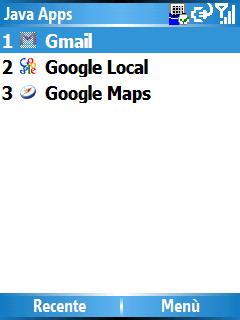
Gmail mobile on an i-mate SP5m

Hi, as a Gmail enthusiast, I just installed gmail mobile on my smartphone. I followed the instruction on Gmail site, if you don't mention the fact I am in Italy and my provider isn't Verizone nor Cingular, but Vodafone (and I think neither your location would prevent you from installing).

1) Open your browser and point to http://gmail.com/app

2) Click on "download Gmail" (US/Canada). Feel yourself a little northamerican and click.
3) Install the Midlet and start Gmail mobile
4) This is the installation result.

6) Open the fresh installed app: you'll be asked for username and password. Here is the tricky part: you have to click on the username field then click to enter the Real Edit Box, and eventually go write your username. Done, close, and again for the password.

You can find several guide upon gmail mobile. Not just for US/Canada.

Later.

02 novembre 2006

My Technorati rank...

I am crawling as usual in the Guy Kawasaki's Blog when I stumble upon an unusual way to post comments: put the link to your blog instead of directly comment the post.
This link brings to Marcelo's blog, where I find an interesting consideration on Technorati rank but somewhat flawed in math. The idea is good, therefore I post a comment with my thoughts (that's what comments are for) in his blog.
As strange as it may sound, a blog (like Marcelo's) with a rank of 540,834 (in this exact moment) is in the top 1% of the whole blogosphere, counting more than 55 million blogs.

28 ottobre 2006

School for parents, round #2

School for parents, round #2

Teacher: Prof. M.Magatti. "Educate in an uncertain environment".

Ok, let's go with the summary:
1) The world is not what used to be 30 years ago: crisis of ideologies and institutional crisis (we are living in the tide of '68) leads to an individual culture, where you live your life one project a time, driven by authenticity, opportunity: we are "experience hunters", where no one thinks as a whole no more, and there's no more shared behaviors (in family, school or government whatsoever).

2) There's a lack of trust, caused by a lack of direction. What turns out is
- Chaos: you barely could tell the story of your life as a novel; instead is made by pieces (nowadays when you have children you talk about "experience", my dear hunter); in your patchwork consistency is optional.
- Uncertainty: now it's all right (more or less), probably tomorrow will be worst. We go from one fear to another, real or supposed (does avian flu rings a bell?).
- Unstableness: all is unstable, thought and sensibility. The weight of too much choices is becoming unbearable. Anxiety, and obsessive relationships are natural consequences (which may lead to the growing phenomenon of domestic violence).

1950 Neurosis (trying to keep a cliché imposed by your social environment) becomes 2000 Depression (due to poor levels of satisfaction).

3) Freedom: we're living in great times. Economical, cultural, sexual freedom is something past generations couldn't even dream of. But we are missing two important kinds of freedom:
- Social conditioning freedom: our social environment hits us with millions of invisible micromessages we can't ignore. From a more generic point of view, the Western society lost its transcendence capability, to "cut the crap".
- Freedom from oneself: as stated by Miguel Benasayag, the sad passions are a plague, they lack not only a reason, but a direction too. Educate (e- ducare, lead out of oneself) means also find ourselves to get rid of bad aptitudes.

4) Happiness, as "contrary" of Good. Doing Good is a thing for Yogi Bear, while happiness, my happiness is very individual, and if I don't feel every moment of my life I will regret them (says my inner social consultant).

5) Sacrifice: (sacri-facere, to make sacred). I sacrifice for my children, so for me they are sacred. I never sacrifice myself, nothing is sacred, so is mundane, and I can negotiate a price. Matches perfectly with the 5 minutes scope of the actions of an experience hunter, dear Sisyphus.

6) Education means:
- Patience (patire). Let's have no haste, times are long and failures frequent when you search your way in such an environment.
- Constance. To represent an (almost) fixed point in this ocean.
- Consistency. All is so confused: saying less but if you talk supported by facts and examples could really help your children to grow. You cannot ask your children to do what you aren't got to do it.

7) What counts is the communication style: messages should have a less heterogeneous content; and, for god's sake, one at a time. Is less confusing.

Whew, 75 minutes thick and meaningful. I liked this lesson very much.
BRB in 3 weeks.

24 ottobre 2006

PI

PI. The real question is that is really infinite.
So, if you use a random charset, Unicode for example, to decode the pi numbers into chars, given enough time you will find all buried beyond the zillionth number the whole Shakespeare's works, several Mousse au Chocolat recipes, Life, the Universe and Everything.

Really.

Really-really.

20 ottobre 2006

I am fond of Autumn

The season I like most of all is Autumn. Perhaps is due to the November I always bring deep in my heart, perhaps just because no pollen allergy bother me in Autumn days.

Autumn dress with the best color palette, and every day we have a great sunset as a gift.

16 ottobre 2006

In Italia non si fanno figli.

Volentieri inserisco due lettere che mi ha inoltrato un amico per denunciare un problema generato da un malcostume (non si può parlare di reato, ma possiamo presumere che ci sia qualcosa che non va per il verso giusto).


In sintesi: per inserire i propri figli all'asilo nido viene solitamente richiesto un esaustivo riepilogo del proprio stato patrimoniale per privilegiare le persone meno abbienti (e fin qui, tutto regolare). Peccato che i privilegiati denuncino cifre ridicolmente basse per il tenore di vita che conducono: questo non li rende *evasori fiscali*, ma penso sia legittimo nutrire qualche dubbio.


Bene: il mio amico Stefano ha avuto le graduatorie di ammissione agli asili nido (non senza difficoltà, nonostante fosse suo diritto) e ha segnalato la cosa alla guardia di finanza, conscio che difficilmente la cosa avrà un seguito. Ma il coraggio di buttare il sasso nello stagno non è di tutti.


Di fatto, il sistema è congegnato in modo da favorire l'evasore, a scapito di chi le tasse le paga, tutte, fino all'ultimo centesimo. Ovvero: giusto favorire i meno abbienti, ma solo se vengono fatti controlli (basterebbero a campione!) delle dichiarazioni rilasciate.


Gli omissis sono colpa mia: i nomi avrebbero i risultati delle ricerche di questa pagina.


----Buona lettura.


Egregio Dott. XXXXXX,

Scrivo facendo seguito alla mia lettera riportata di sotto e pubblicata sul vostro giornale il 3 Agosto sulle pagine di Bologna.

Ho risolto il problema dell’asilo per mia figlia pagando un privato ovvero arrangiandomi.
Ho anche cercato di agire per correggere questa stortura per i figli a venire (non miei) cercando di stimolare la Guardia di Finanza con un esposto formale e cercando un contatto con le Istituzioni cittadine.

Mi rendo conto della natura “Don Chisciottesca” delle mie azioni.
Ho fatto un esposto alla Guardia di Finanza ma dubito vedro’ risultati.
Ho cercato di forzare le Istituzioni cittadine alla trasparenza ed al rispetto delle regole nei rapporti con il pubblico facendo ricorso al Difensore Civico. Avro’ le informazioni richieste nonostante le reticenze delle Istituzioni, ma a che servira’?
Ho cercato piu’ e piu’ volte nell’arco di 3 mesi di avere un contatto con il Signor XXXXXXXXX e con la Signora XXXXXXXX rispettivamente Sindaco ed Assessore Scuola del Comune di Bologna. Nessuna risposta naturalmente.

Io sono Don Chisciotte ma chi e’ Sancho Pancia? Lei crede che gli Amministratori pubblici si renderanno mai conto di essere tali e nulla piu’?
Chi amministra si assume delle responsabilita’ e deve almeno avere il coraggio di dire ”arrangiati” o “non abbiamo i mezzi” (a mio avviso la volonta’) di combattere l’evasione.

La triste conclusione e che chi evade ottiene anche il supporto dello Stato che lo include tra coloro che ricevono l’assegno per il nuovo nato, che hanno priorita’ in tutte le graduatorie, che hanno il posto all’asilo piuttosto che allo studentato per i loro figli, che beneficiano di ogni possibile sgravo fiscale.

Ancor piu’ incredibile e’ che Sancho Pancia non vuole parlare con Don Chisciotte: e si’ che si potrebbe discutere “del fortunato compimento che diede il valoroso Don Chisciotte alla spaventevole e non mai immaginata avventura dei mulini a vento con altri successi degni di gloriosa memoria”.

E poi diciamoci la verita’: Sancho Pancia e’ lo scudiero di Don Chisciotte e qualcuno bisogna che glielo faccia sapere.

Cordiali Saluti

Stefano XXXXXX

---------------------------------------------------------------------


Caro XXXXXXX,

Le scrivo per denunciare una situazione incredibile per un Paese come il nostro.
Vivo (e pago le tasse) a Bologna esempio per “i servizi che funzionano”.

A Bologna le graduatorie per le liste di ammissione agli Asili Nido comunali sono state pubblicate sul sito Internet del Comune solo Sabato scorso.
Molte famiglie non sanno ancora nulla poiche’ le lettere ufficiali saranno spedite probabilmente in Agosto.
La frequenza ininizia a Settembre. Questo significa che gli esclusi avrano gravi problemi e pochissimo tempo per la ricerca di una alternativa.
Gli esclusi sono una percentuale elevatissima, mi e’ stato detto oltre il 30%.

Mia figlia e’ esclusa ed in lista d’attesa su tutti i 16 Asili Nido che abbiamo inserito nella domanda di iscrizione.
La posizione in lista d’attesa varia dalla ottava alla ventinovesima. Ovvero nessuna possibilita’. Oltretutto con le graduatorie in uscita l’ultimo giorno di Luglio Lei capisce la difficolta’ a trovare un’alternativa privata che comunque non vorremmo perseguire.
Riteniamo che un bimbo debba vivere fin da subito nella Societa’ cosi’ com’e’ e pensiamo che una struttura pubblica nel bene e nel male ne sia il miglior specchio.

Io e mia moglie siamo entrambi lavoratori dipendenti con un secondo figlio di 3 anni e ISEE elevato.

Le fornisco di seguito la graduatoria relativa agli 8 posti disponibili in uno di questi nidi (ovviamente nessun dato sensibile e’ riportato nel rispetto della Privacy):

ISEE 3827€ (caso sociale/segnalato)
ISEE 7510€ (caso sociale/segnalato)
ISEE 1991€ (2 genitori che lavorano e secondo figlio minore)
ISEE 6018€ (2 genitori che lavorano)
ISEE 11305€ (2 genitori che lavorano e secondo figlio minore)
ISEE 11508€ (2 genitori che lavorano e secondo figlio minore)
ISEE 15839€ (2 genitori che lavorano)
ISEE 17205€ (2 genitori che lavorano e secondo figlio minore)

In questo nido mia figlia e’ diciasettesima in lista d’attesa.
Io non discuto sul fatto di pagare una retta elevata, visto che io e mia moglie abbiamo un buon lavoro e di conseguenza ISEE elevato, ritengo pero’ che il servizio debba essere fornito dal Comune in cui viviamo e paghiamo le tasse.

Inoltre, ed e’ quello che mi crea maggiore malessere, come si nota dalla lista (che e’ veramente una delle tante) le dichiarazioni ISEE sono quanto meno “strane” ed io ho l’elevato sospetto che molte od alcune siano false. A Bologna, come Lei certo sa, non si vive in 4 nemmeno con un ISEE di 17205€.

Non so se troveremo un’alternativa privata (al costo di circa 800€ al mese), ma Le chiedo: e’ possibile che chi non ha alternative, ovvero il classico nonno che si presta, o non puo’ pagare un’elevata retta privata, debba valutare se rinunciare al proprio lavoro? E‘ giusto che un bambino passi tutto il suo tempo con degli adulti anziche’ con altri bambini?

Cordiali Saluti

Stefano XXXXXX


Powered by Qumana


13 ottobre 2006

School for Parents

Hi, yesterday I returned to school, a sui generis school, "for parents". Teacher (storyteller?): prof. P. Crepet, "Relationship parents-children and the extent to communicate". Very interesting and insightful.

A brief summary of the arguments:

  1. The living room is dead (supposed citation from Mario Botta). This is where prof. Crepet mourns the loss of the sofa as aggregation point for the family. Rejoins in heaven with the other aggregation point, the courtyard, the 3rd place, killed by a hanged sign: "Playing is forbidden".

  2. I fulfill myself. A paradox: if a group splits into monads, more resources are needed to support them and the diversity fades away, and if you don't mix in a group you are more prone to your behavioural habits, caused by lack of compensation.

  3. Internet: beware too much information and physical isolation. Worth mentioning your PC cannot hug you. Nor your Mac. Not yet.

  4. Growing is about fighting your frustrations and your fears. Likewise, when a kid goes alone for the first time to the bakery to have a snack, he grows, despite of the parent's fears. When he goes to the snack-o-matic, he doesn't grows, he just become smarter.

  5. Children, learn to do difficult tasks (G. Rodari). Where we learn the three pillars of growth: self-esteem (Am I able to do it?), autonomy (Can I do it by myself?) and creativity (How can i do it?).

  6. The parents should do less for the children. Help them too much prevent them to make mistakes, and to be frustrated, and finally to grow.

Back in 15 days for the second lesson.

Powered by Qumana

03 ottobre 2006

Bread and wine

This evening I ended my dinner with freshly cooked bread and a half glass of wine (Rosso di Torgiano).


Call me naive, but no meal will ever be as good as bread and wine. Prosit.


Powered by Qumana